indoveritas.com

Lift Planning Procedure and Execution

Lift Planning Procedure and Execution

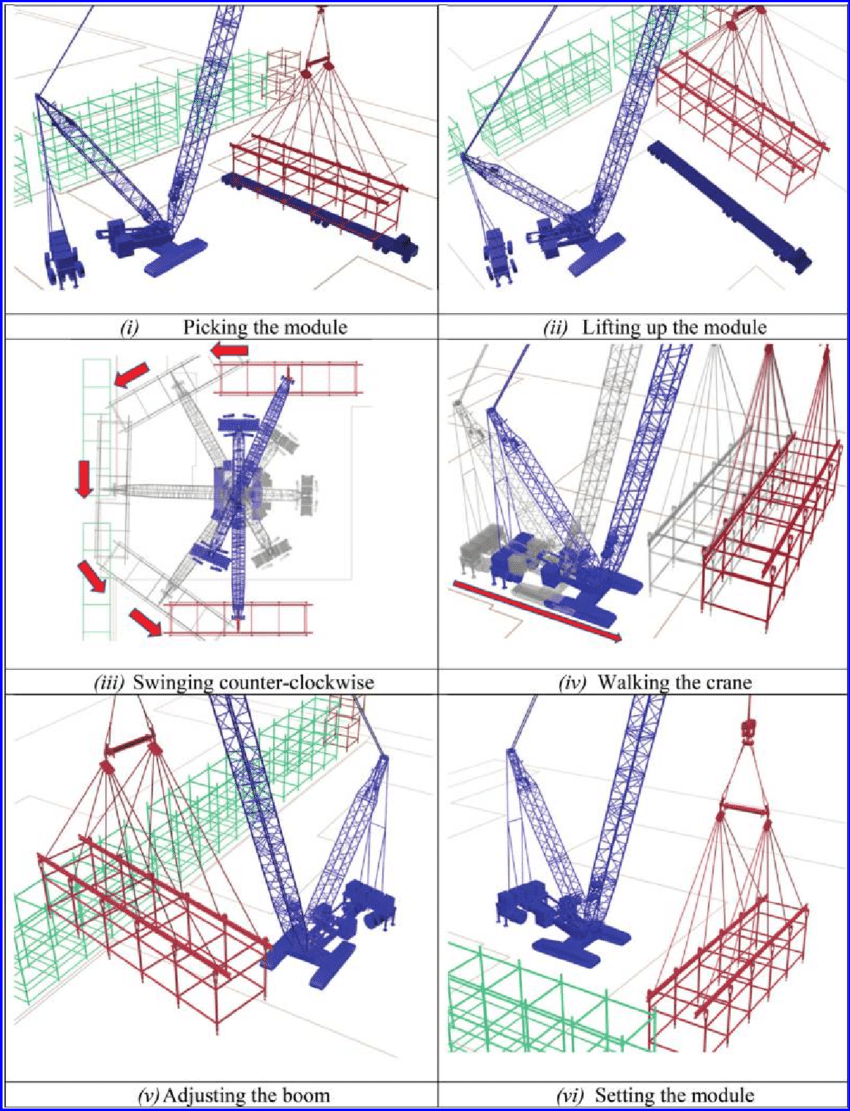
Lift Planning Procedure and Execution ensures safe and efficient handling of heavy loads by identifying risks, selecting the right equipment, and following industry standards. It involves detailed planning, site assessment, and coordination to prevent accidents. Proper execution guarantees smooth operations, compliance, and workplace safety.

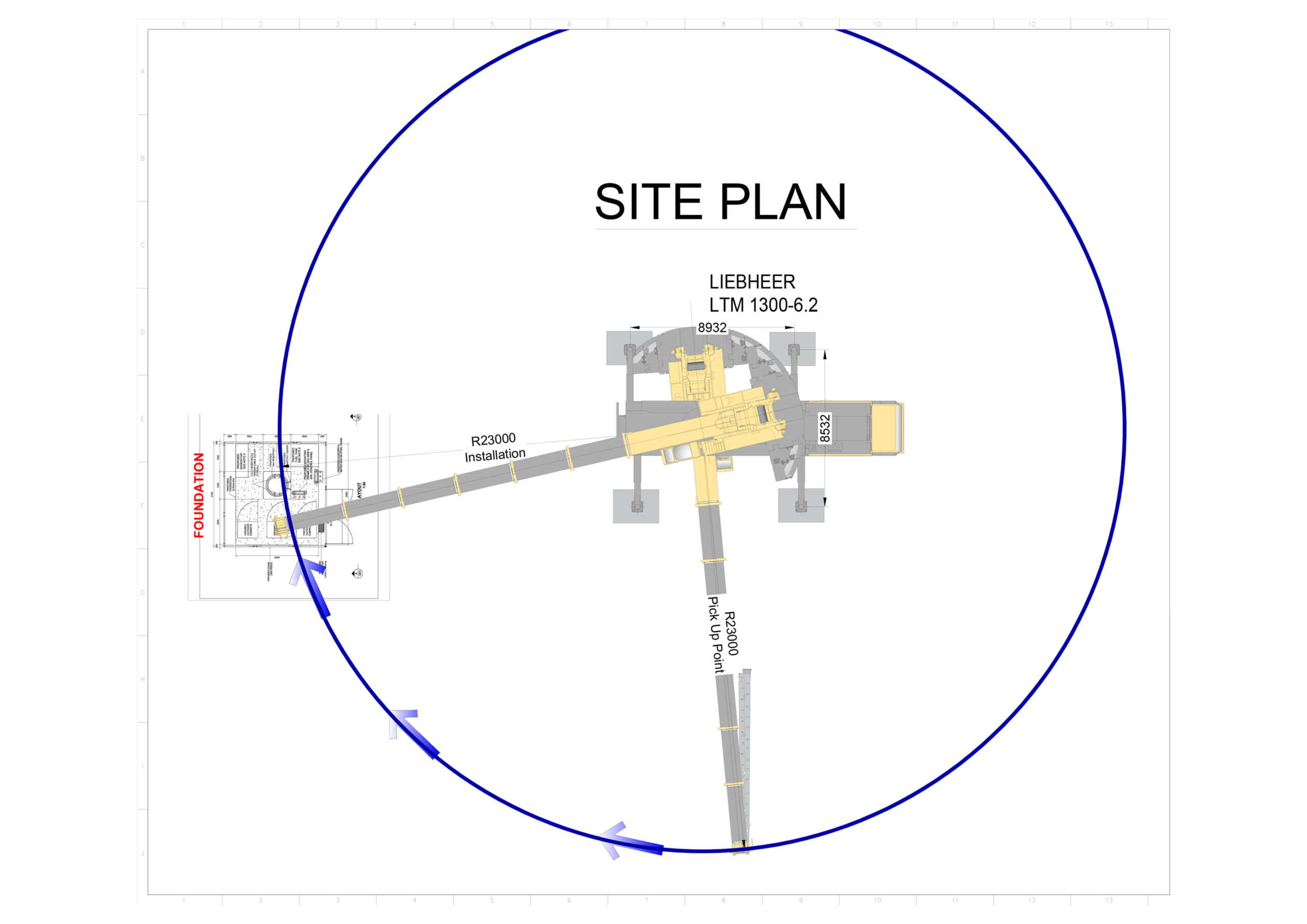
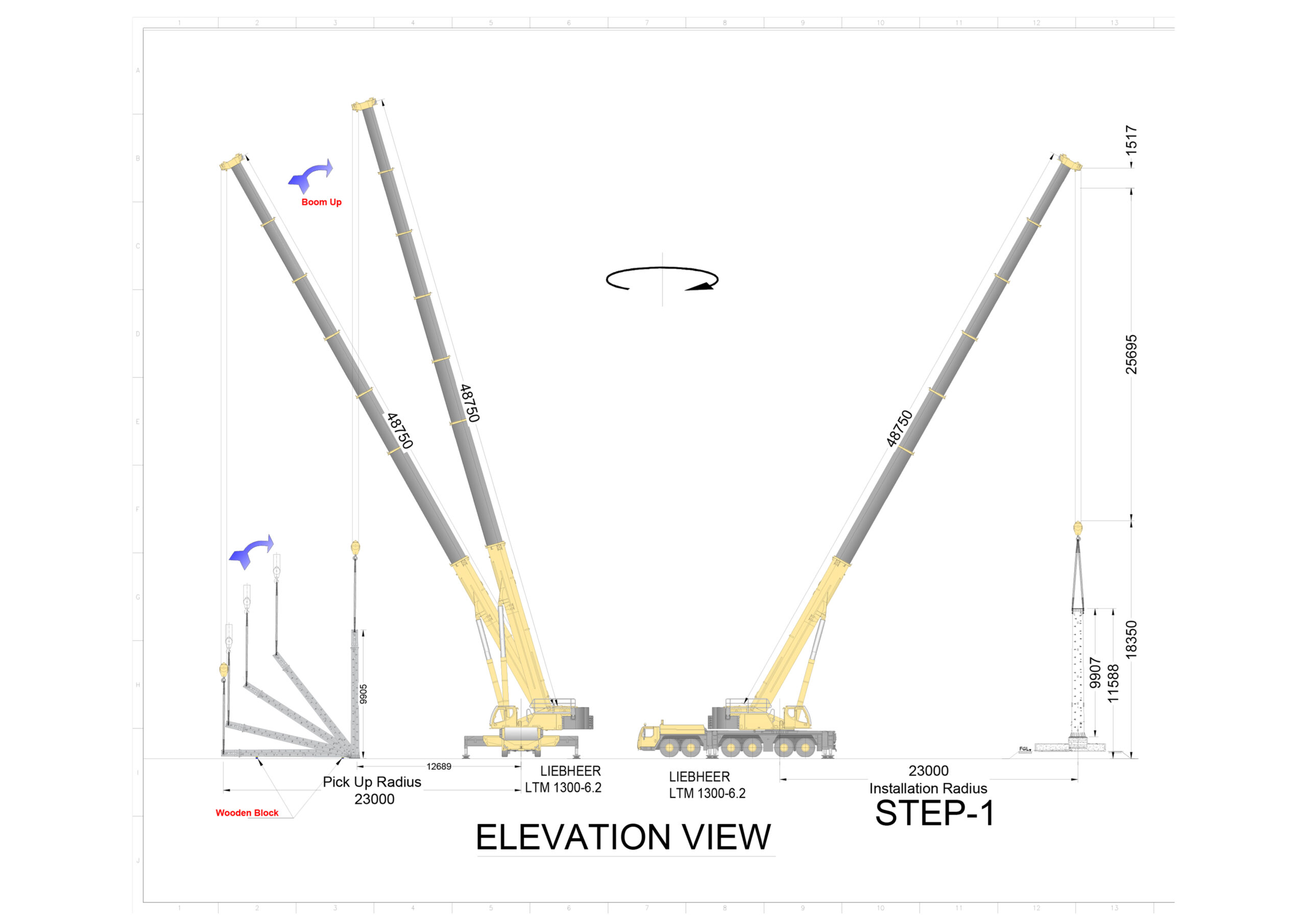
  • Crane Positioning
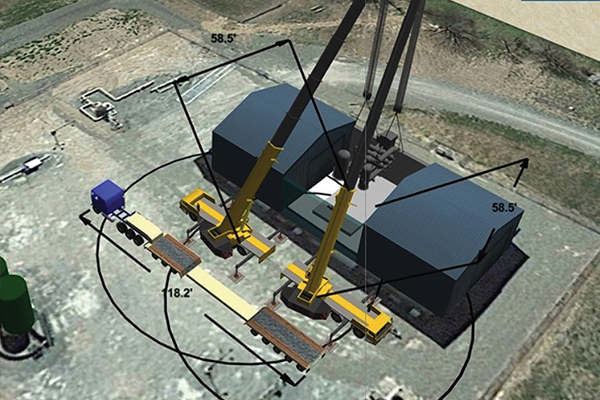
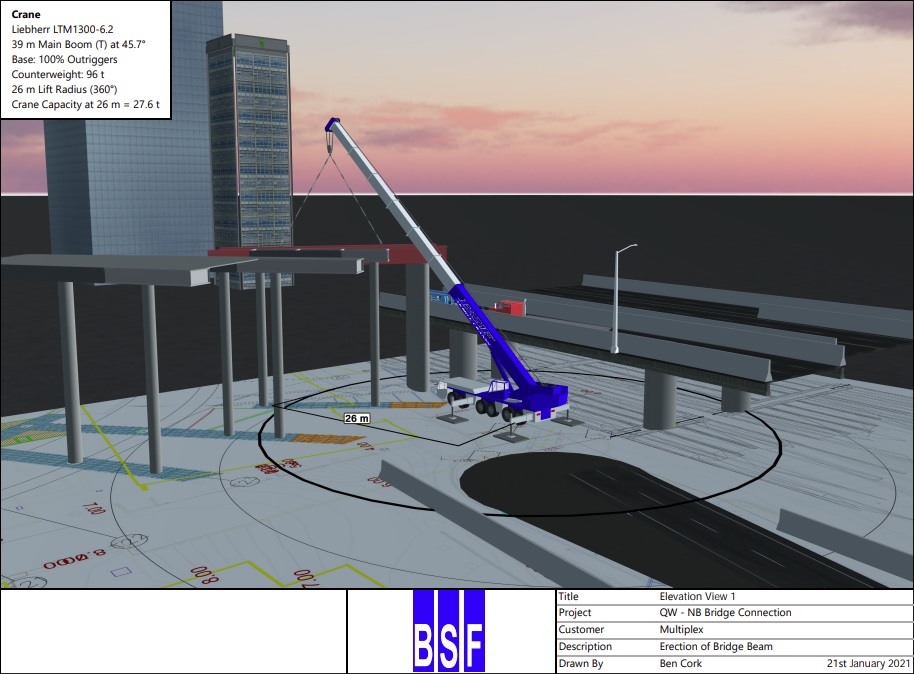
    Objective: Ensure correct placement of both LIEBHERR LTM 1300-6.2 cranes at the required pick-up and installation radii.

  • Load Preparation
    Objective: Stabilize the load using wooden blocks and verify rigging arrangements.

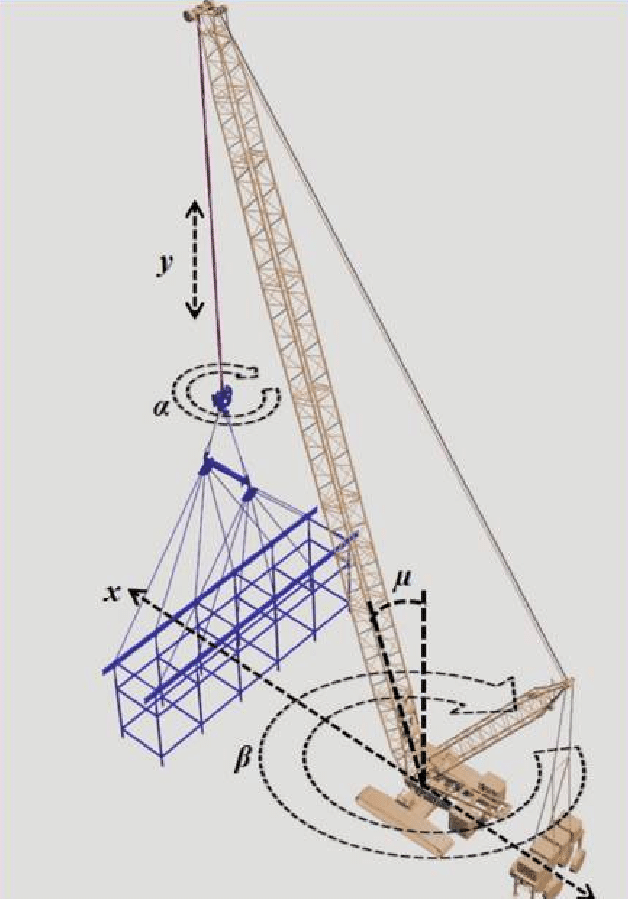
  • Boom Configuration
    Objective: Set crane booms at the planned angle (48.75°) for balanced lifting.

  • Load Lifting
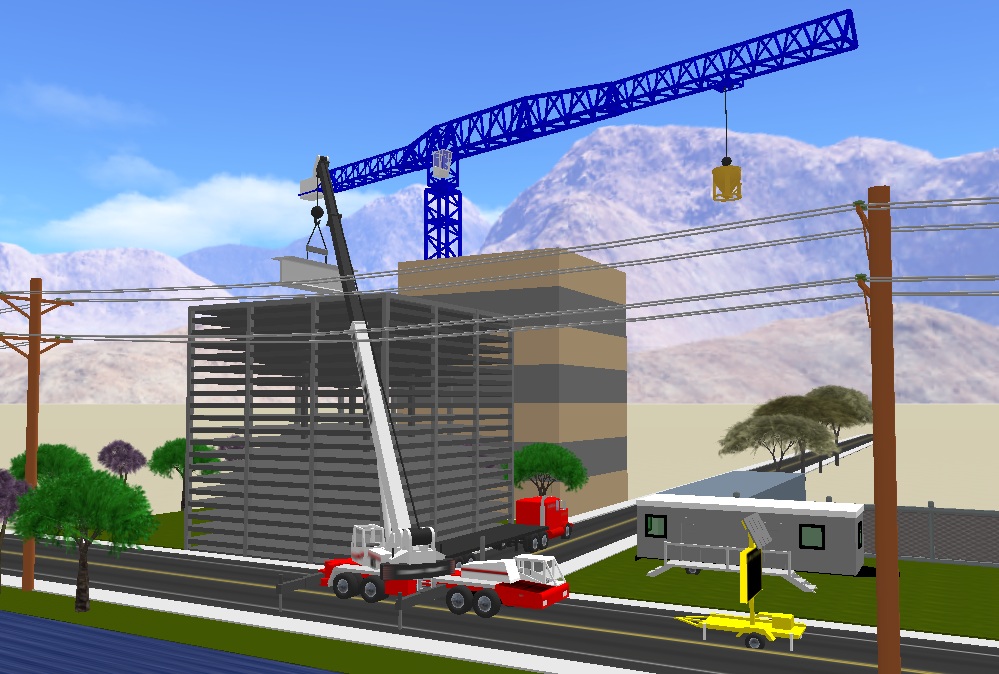
    Objective: Safely hoist the load from the ground to the required elevation without obstruction.

  • Load Installation
    Objective: Accurately place the load at the installation radius and height as per plan.

  • Safety & Coordination
    Objective: Maintain operator communication, inspect rigging, and monitor site conditions for safe execution.

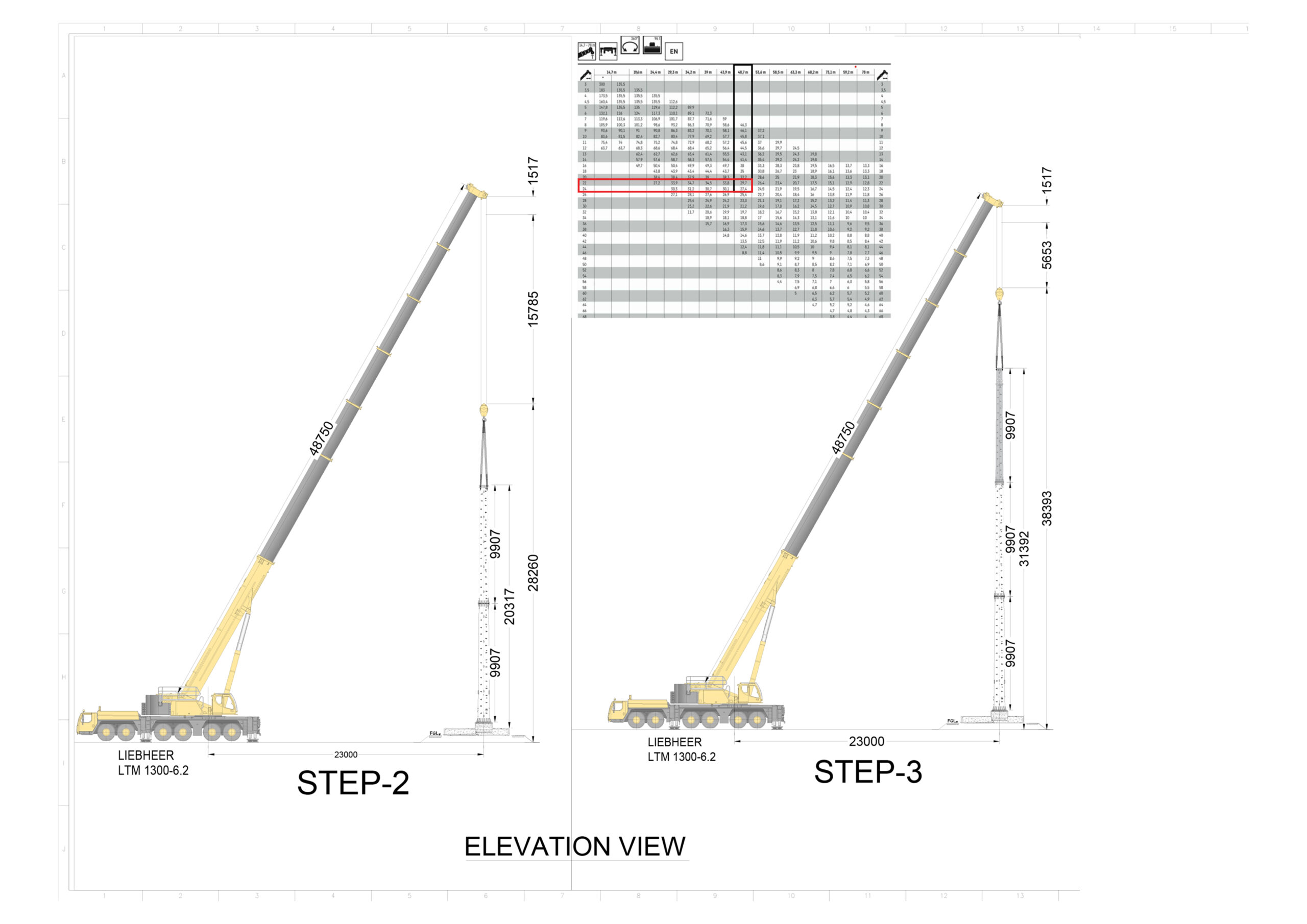
  • Load Hoisting
    Objective: Raise the load vertically from ground level to the planned elevation.

  • Boom Angle Control
    Objective: Maintain the crane boom at ~48° for lifting balance and stability.

  • Vertical Alignment
    Objective: Ensure the load remains upright and correctly oriented during elevation.

  • Final Elevation
    Objective: Lift the load smoothly to the final height (≈33,893 mm) for installation.

  • Safe Placement
    Objective: Position the load accurately at the installation point under strict safety monitoring.

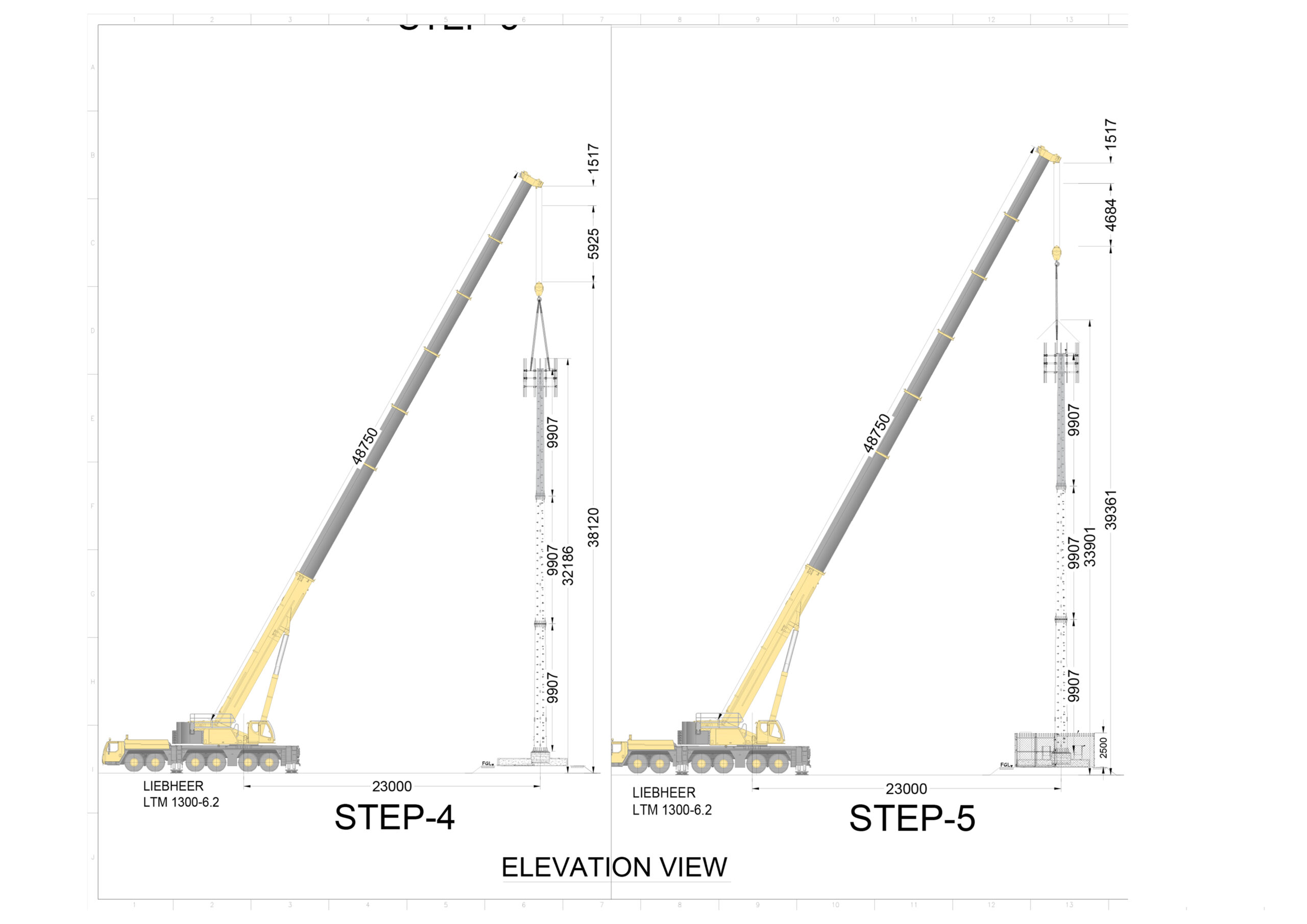
  • Load Hoisting
    Objective: Elevate the load smoothly to the higher elevation (≈38,120 mm).

  • Boom Angle Stability
    Objective: Maintain crane boom angle (≈48.75°) for safe and controlled lifting.

  • Vertical Alignment
    Objective: Keep the load upright and stable during final hoisting.

  • Precise Placement
    Objective: Lower the load carefully into the foundation/installation point.

  • Safety Monitoring
    Objective: Ensure continuous supervision, communication, and stability checks during final installation.

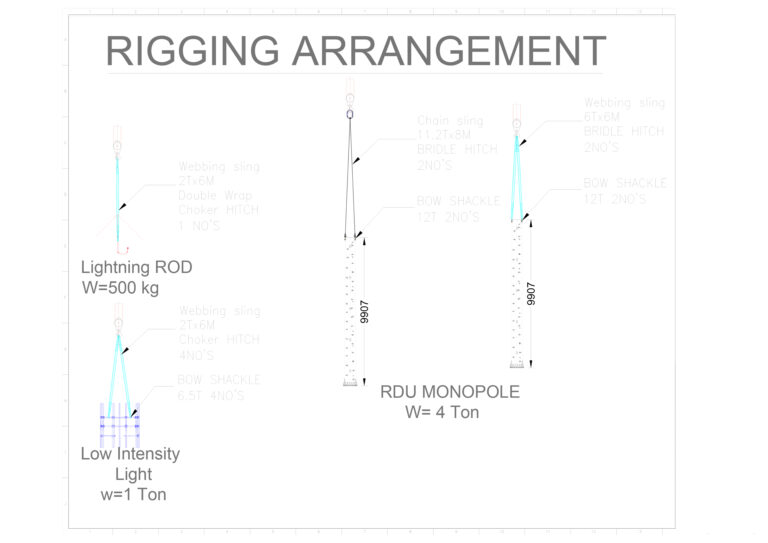
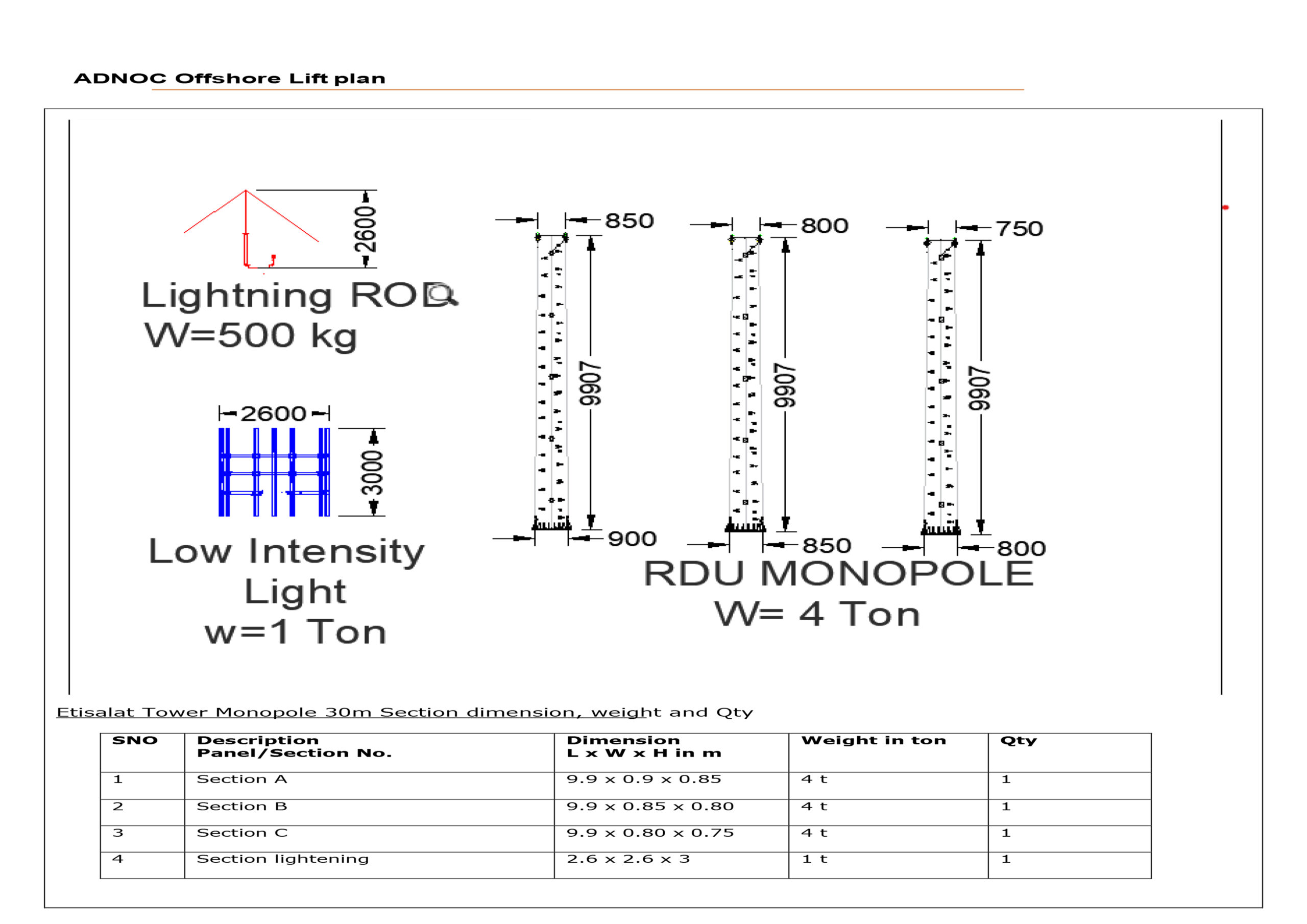
  • Lightning Rod (500 kg)
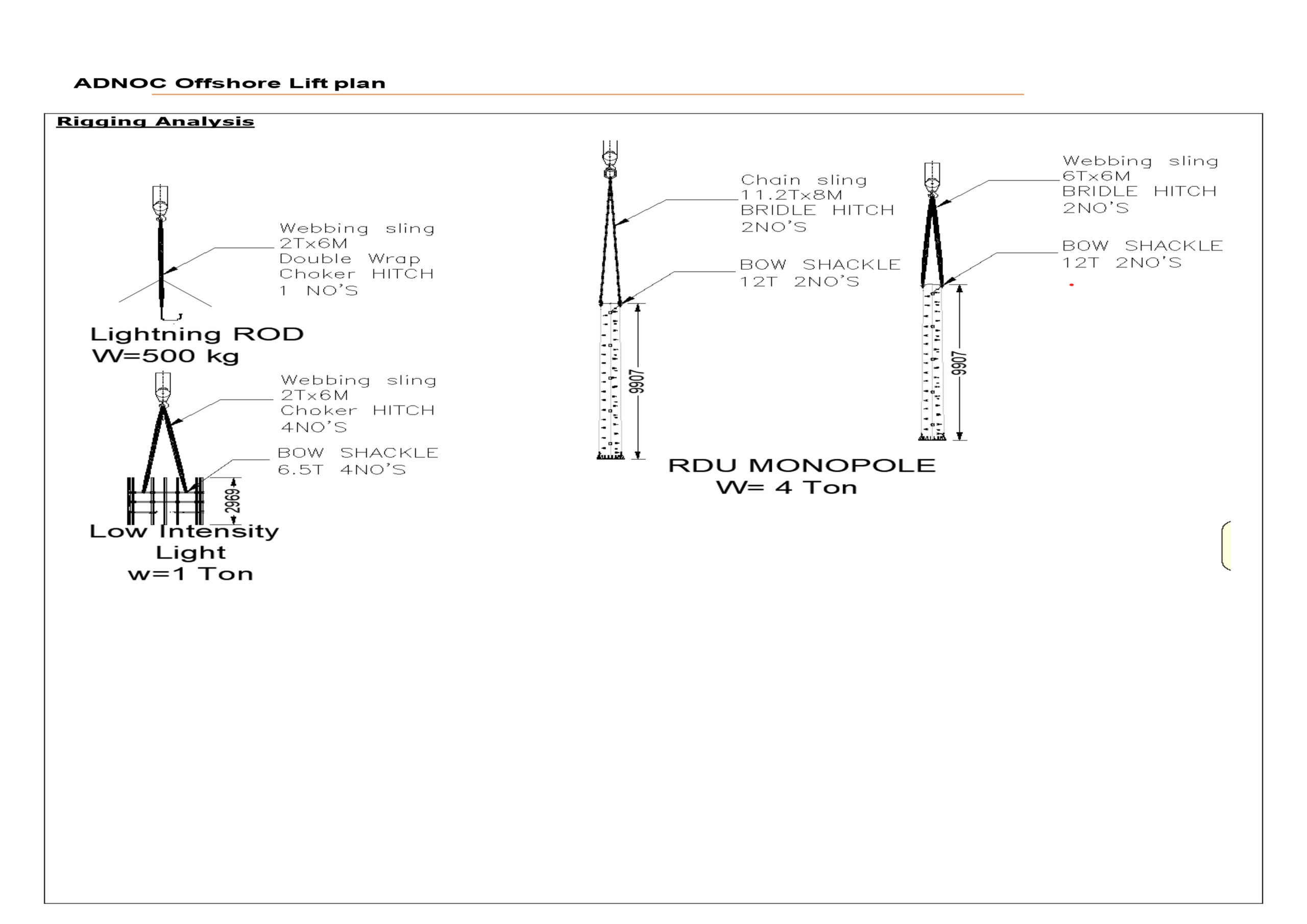
    Objective: Use webbing sling (2Tx6M) with double wrap choker hitch for secure lifting.

  • Low Intensity Light (1 Ton)
    Objective: Rig with webbing slings (2Tx6M) and 6.5T bow shackles to ensure balanced handling.

  • RDU Monopole (4 Ton)
    Objective: Utilize chain sling (11.2Tx8M) bridle hitch and 12T bow shackles for heavy lifting stability.

  • Load Distribution
    Objective: Arrange slings and shackles to distribute load evenly and prevent slippage.

  • Rigging Safety
    Objective: Verify rated capacities, connections, and alignments before lifting operations.

  • Lightning Rod (500 kg)
    Objective: Safely lift and position using proper rigging techniques to avoid swing and instability.

  • Low Intensity Light (1 Ton)
    Objective: Secure lifting with balanced rigging to maintain equipment integrity.

  • RDU Monopole Sections (4 Ton each)
    Objective: Handle with heavy-duty chain slings and bow shackles for stable erection.

  • Section A, B & C (Each 4 Ton, 9.9m height approx.)
    Objective: Lift and align accurately during tower assembly ensuring vertical stability.

  • Section Lightening (1 Ton, 2.6m x 2.6m x 3m)
    Objective: Manage safe installation with controlled rigging to support tower structure.

  • Lightning Rod (500 kg)
    Objective: Ensure controlled lifting using double wrap choker hitch with proper webbing sling to prevent swing.

  • Low Intensity Light (1 Ton)
    Objective: Secure stable lifting with multiple choker hitches and bow shackles for safe positioning.

  • RDU Monopole (4 Ton)
    Objective: Utilize chain sling and webbing sling with bow shackles for heavy load stability and precise erection.

  • Lightning Rod (500 kg)
    Objective: Safely lift and position using proper rigging techniques to avoid swing and instability.

  • Lightning Rod (500 kg)
    Objective: Ensure controlled lifting using double wrap choker hitch with proper webbing sling to prevent swing.

  • Lightning Rod (500 kg)
    Objective: Safely lift and position using proper rigging techniques to avoid swing and instability.

  • Lightning Rod (500 kg)
    Objective: Ensure controlled lifting using double wrap choker hitch with proper webbing sling to prevent swing.

  • Lightning Rod (500 kg)
    Objective: Safely lift and position using proper rigging techniques to avoid swing and instability.

  • Lightning Rod (500 kg)
    Objective: Ensure controlled lifting using double wrap choker hitch with proper webbing sling to prevent swing.

  • Lightning Rod (500 kg)
    Objective: Safely lift and position using proper rigging techniques to avoid swing and instability.

  • Lightning Rod (500 kg)
    Objective: Ensure controlled lifting using double wrap choker hitch with proper webbing sling to prevent swing.

  • Lightning Rod (500 kg)
    Objective: Safely lift and position using proper rigging techniques to avoid swing and instability.

  • Lightning Rod (500 kg)
    Objective: Ensure controlled lifting using double wrap choker hitch with proper webbing sling to prevent swing.

  • Lightning Rod (500 kg)
    Objective: Safely lift and position using proper rigging techniques to avoid swing and instability.

  • Lightning Rod (500 kg)
    Objective: Ensure controlled lifting using double wrap choker hitch with proper webbing sling to prevent swing.

  • Lightning Rod (500 kg)
    Objective: Safely lift and position using proper rigging techniques to avoid swing and instability.

  • Lightning Rod (500 kg)
    Objective: Ensure controlled lifting using double wrap choker hitch with proper webbing sling to prevent swing.

  • Lightning Rod (500 kg)
    Objective: Safely lift and position using proper rigging techniques to avoid swing and instability.